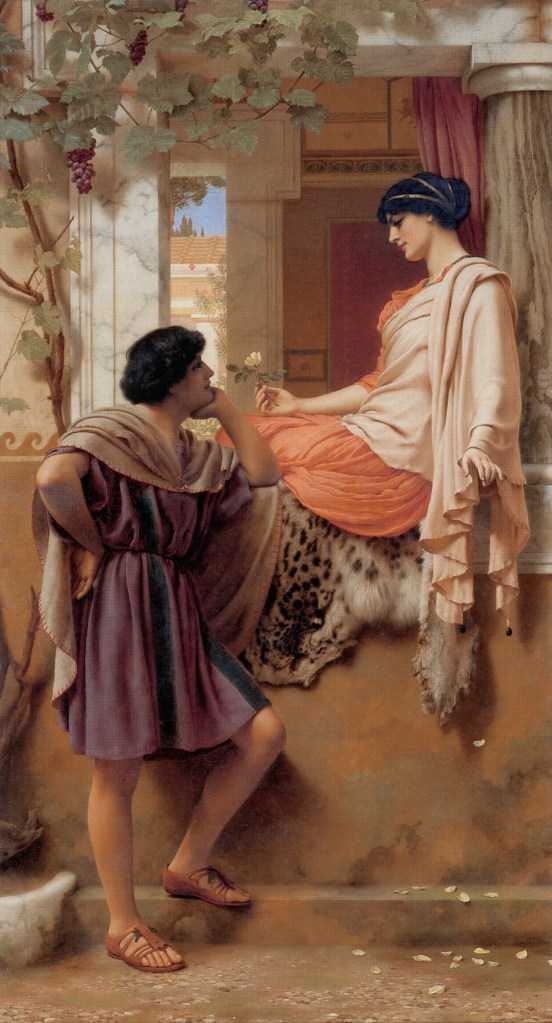
[Summer Flowers, John William Godward (1903)]
Okay, okay—as we hurtle toward fall, we’re finally going to take a break from our Japan Summer (for real this time). You know what we haven’t talked about for a while here? Historical fiction. And you know what we haven’t touched on in even longer? ROME.
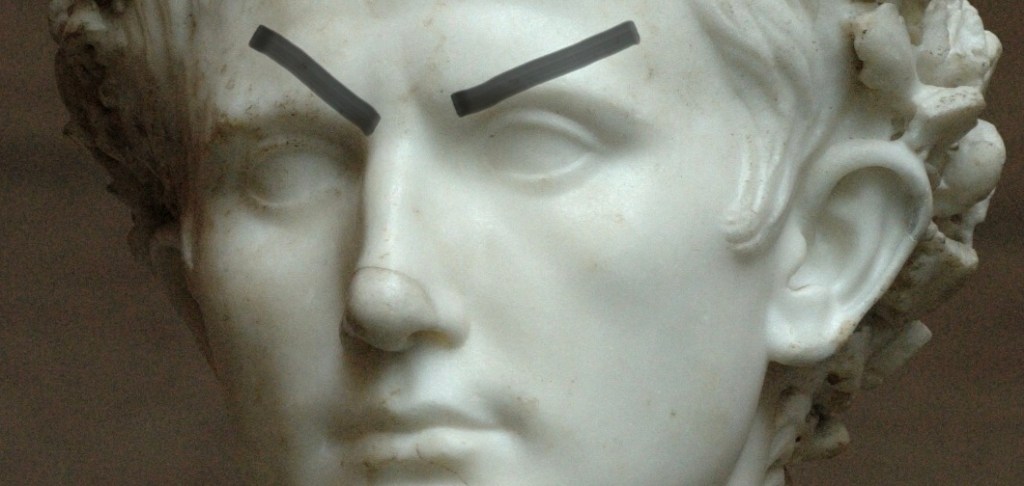
But despite me photobombing you with His Almighty-ness, the Divus Augustus, we’re actually going to be dealing with one of my less-favored eras of Roman history, which is to say, the part where it really stops being Roman history and starts being Byzantine history.
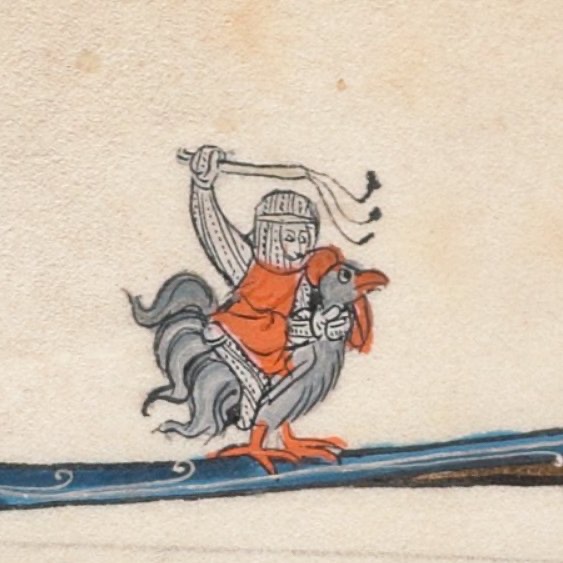
[Get me to God’s country—and by “God’s country,” I mean at least the 11th century…]
As we so often do here, though, we’re also going to be looking at an author writing in my preferred genre who is not writing in his: 19th century thriller novelist Wilkie Collins (1824-1889 CE), and his one and only historical fiction novel: Antonina, or the Fall of Rome! This was Collins’ first published book and enough of a commercial success to launch a prolific career—yet in addition to talking about him and Antonina’s similarities to other previous out-of-genre works that we’ve discussed like Salammbô and The White Company, we’re also going to talk about why it’s obvious that its author pivoted away from this type of story. Because, spoilers, Antonina is pretty bad, but sometimes dissecting a bad book is more interesting and enlightening than simply praising a great book, so we’re going to deep-dive anyway. We’ll talk about what works, what doesn’t, and perhaps along the way learn a little about the craft.
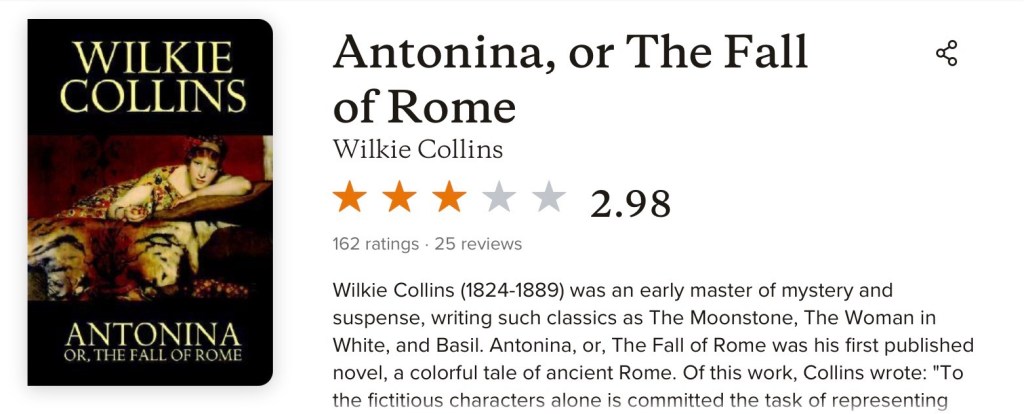
[I am abundantly aware that one should exercise caution when evaluating a book based on its overall Goodreads metrics. But, in this case, 2.98/out of 5 stars with a ~31% of 3-star ratings is an exceedingly fair score from a modern audience. (For the record, I gave this a 2)]
But before we get too far into Antonina, because of his almost-famous level status in the literary canon, I want to give its author a brief introduction to you all. Because Collins is the kind of 19th century English Lit guy who exists firmly in the chasm between May Have Heard of Him and Who? among today’s readers.
William Wilkie Collins was born in 1824 CE to the landscape painter William Collins and his wife, Harriet. As a member of the Royal Academy, the elder Collins made enough money through his art to sustain the family’s middle class Victorian ambitions, though they were not wealthy enough to forgo professions entirely. The shape this largely took was the family’s ability to afford several years’ travel abroad in Wilkie’s tweens, ostensibly so his father could gain a broader artistic education on the Continent, and giving Wilkie and his younger brother, Charles, private boarding school educations during the years the family was in England.
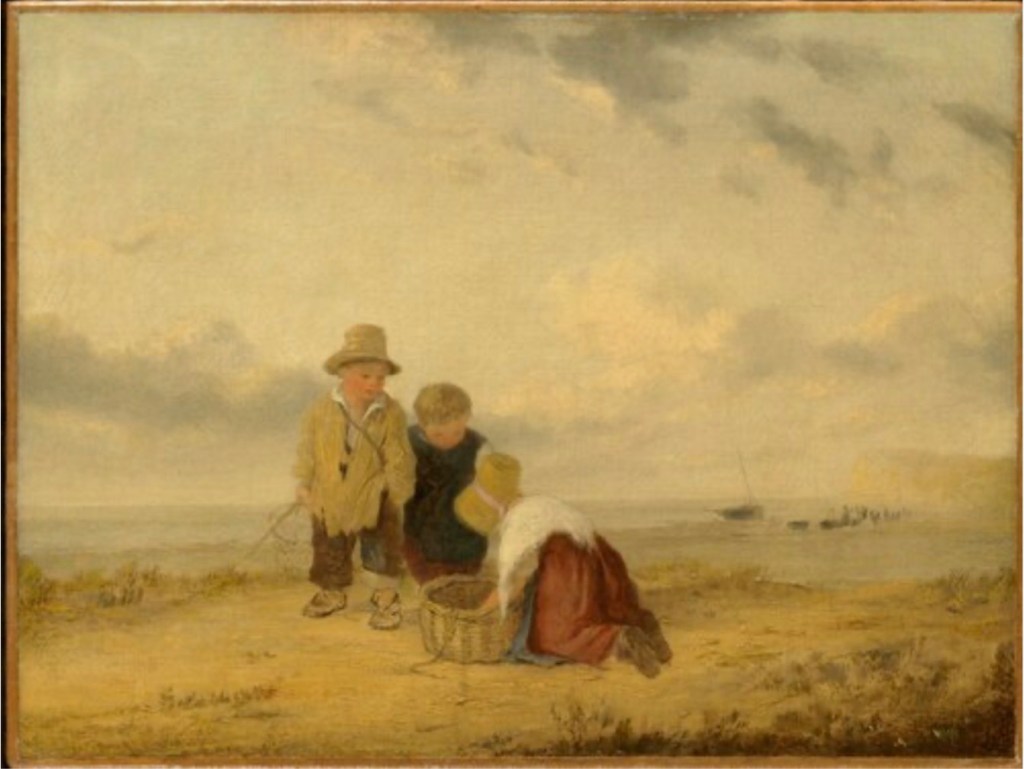
[William Collins was a respected artist in his lifetime, but the profile of his work was much higher in the decades after his death. Ironically, not because of any fame deriving from his sons’ work, but because the elder Collins’ use of color in his landscapes was viewed as a precursor to Tonalism, the late 19th century art movement that would eventually evolve into Impressionism. He was so en vogue during the 1870s that his oeuvre was briefly out-pricing the works of more classically renowned landscape artists of his era like John Constable. (William Collins, Children on the Beach (1815-20))]
This background might have you imagining that Wilkie grew up in a sort of bohemian artist’s milieu, but as I said, his parents had middle class aspirations, so this wasn’t really the case. Landscape painting, like portraiture, was one of the “genteel” visual arts, and on top of this, both of this parents were notably religious, which certainly would have curtailed any avant garde-antics. In fact, it was apparently his parents’ hope that Wilkie would train for the church, but their son was decidedly not as religiously inclined, so that never happened. Wilkie actually left school at seventeen and worked as a clerk for a tea importer for several years until his father, still preferring a profession for his eldest son, basically forced him to start studying law at Lincoln Inn in 1846, when Wilkie was in his early twenties. Wilkie found the law boring, and apparently spent most of his time writing a novel that would become Antonina.

[Definitely don’t know anyone else like that…]
Luckily for Wilkie professionally, if not personally, his father died a year later in 1847, and he could stop pretending that he was ever going to be a lawyer. Antonina was published in 1850, and as I mentioned earlier, was enough of a success to encourage Wilkie to continue writing. Within a year, he had met Charles Dickens, and the two really seem to have hit it off, beginning a personal as well as professionally collaborative relationship that would last until Dickens’ death in 1870.
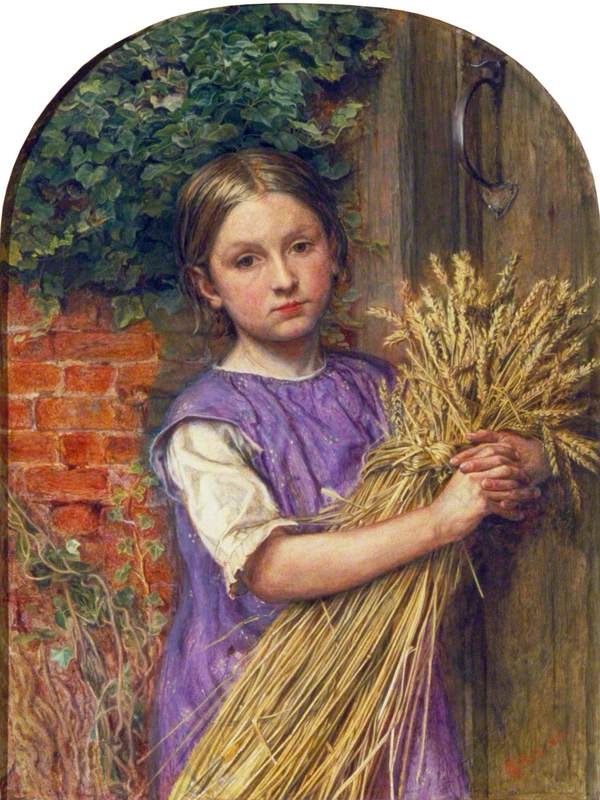
[Wilkie’s brother, Charles, would be the one to carry on the family painting business. Charles was part of the Pre-Raphaelite movement, and tried to marry Dante and Christina Rossetti’s sister, Maria, before eventually marrying Dickens’ daughter, Kate. (Charles Allston Collins, The Good Harvest of 1854 (1854))]
Antonina is a bog-standard, classic small ‘R’ historical romance, but, perhaps influenced by Dickens, Collins immediately moved away from historical fiction into the more contemporary genre work of the mid-19th century. He would, later in his career, try his hand at the sort of social commentary novels that much of Dickens’ books fall into—with mostly negative results—but if you knew who Collins was at the start of this post, you know that his greatest literary success was as a writer, indeed often considered the father, of what was generally termed sensation fiction. Building on the foundation of both the (again, small ‘R’) romances of the early 19th century with the lurid Gothic fiction that immediately followed it, sensation fiction was itself the precursor to the mystery and thriller genres that would dominate pulp fiction straight into the 20th century.
Like Gothic fiction, sensation fiction is often defined as a “novel-with-a-secret” (Wikipedia, quoting Kathleen Tillotson’s introduction to The Woman in White), i.e., some dark mystery that needs to be solved—think of Bertha Rochester in the attic of Thornfield in Jane Eyre. But unlike a lot of earlier Gothic fiction, sensation novels tended to be plotted in settings more contemporary and realistic to their times—fewer castles and more country estates. For example, the titular jewel in Collins’ second-most famous novel, The Moonstone, is a sacred stone devoted to the Hindu god, Chandra, which sounds appropriately exotic and foreign for a Gothic novel, but it enters the plot in what would have been a more realistic manner for its time (1868): stolen by a corrupt British army officer while serving in the Raj. See? Sensational with realism.
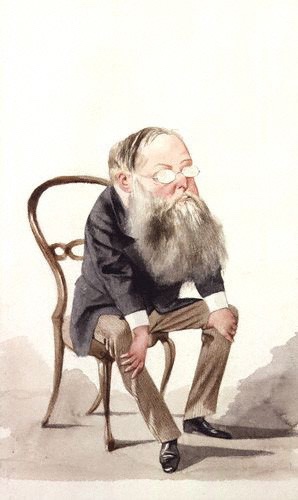
Though while The Moonstone is popular enough, if you knew Collins at the start of this, the chances are you did so because of his 1860 novel, the stealthily-aforementioned The Woman in White. And to be clear: everything I’ve attempted of Collins’ oeuvre—The Moonstone (good), Armadale (fine), Antonina (urgh… we’ll get there…)—is off of the strength of my love for The Woman in White. There’s a reason this book basically launched the modern mystery thriller genre. The pacing is excellent, the characters are memorable (especially the transcendent Marian Halcombe), the mystery engaging: it’s the rare “classic” novel that reads like a modern book. Even Collins’ more ardent fans admit that his output is definitely uneven; extremely poor health and an ultimately ill-advised later-career pivot to more socially-conscious works means that there’s a fair amount of dreck in his catalog. But The Woman in White is almost perfect, and no one can take that away from him.
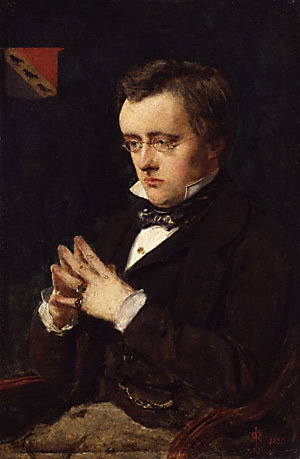
[Collins as a younger man around the time Antonina was published. I had, earlier in the year, thought to try to wring a post out of Armadale, but honestly, I didn’t like it or hate it enough to have much to say. Most of the plot is driven forward on the momentum of two sets of fathers and sons all named Allan Armadale, and the hijinks resulting from the name confusion. None of them are particularly interesting (Midwinter occasionally threatens to be interesting, but in the end, he’s just too tormented and mopey, even when things mostly work out). I was lured in by promises of an infamous antagonist in Lydia Gwilt, but she wasn’t as compelling as I had hoped (and I think Collins ruined her characterization in the end). 3 out of 5 stars for me.]
So after all of that, what’s going on with Antonina? Well, firstly, a whole lot of lies by its author—starting with its title. Much like Flaubert’s Salammbô, Antonina is honestly more of a plot device than a character, so calling this “her” book is a little misleading. She’s mostly like the Moonstone: a pretty thing that people want that occasionally exhibits traits that resemble self-motivation. Like many a Victorian heroine before her, she is kindly, she is pretty, she is good. But beyond that, she is mostly an empty vessel. We also will not actually meet her until five chapters into the story—and these are Victorian serialized chapters, not snappy, modern five-pagers.
But the alternate title is even more misleading by Collins because, and I cannot stress this enough, Rome does not fall in this book. The novel is not about the Goths’ successful sack of the city in 410 CE—this is a story that takes place during the first siege of Rome in 408 that lasted less than a year. I’m not trying to diminish the siege: the Senate ultimately capitulated to a ransom demand by the Goth’s chieftain, Alaric (the man who will eventually sack Rome two years later) because the city was starving and disease was rampant inside the walls. But this novel is not about the final crisis of the western empire. I’m guessing that Collins decided that “The Siege of Rome” would have been a much less punchier title. Fair enough.
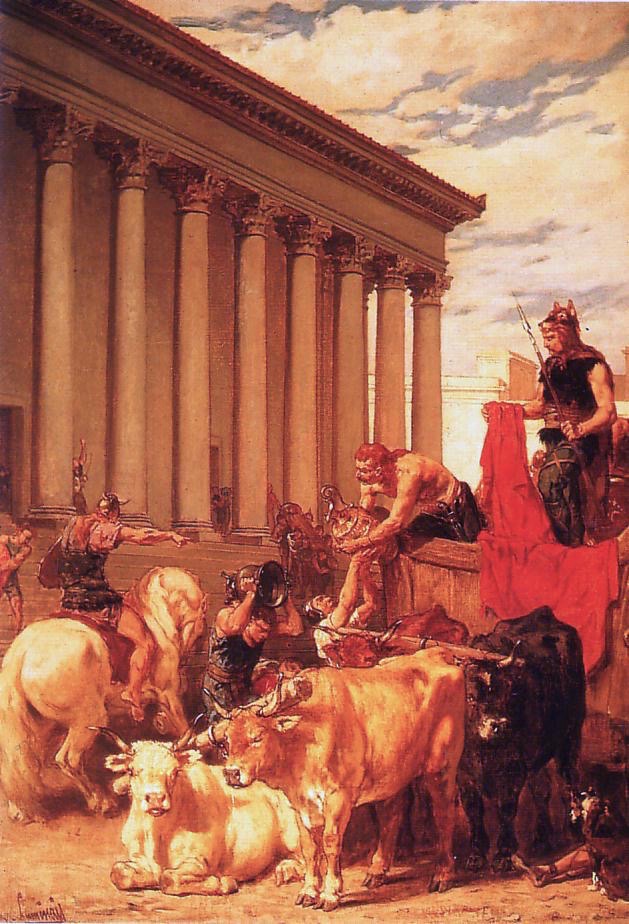
The plot itself is actually not one of the novel’s major issues, particularly since Collins—as explained in his introduction—is the type of historical novelist who prefers writing an OC story, rather than one focused on real historical people, so he’s mostly had to construct the plot from scratch outside of the existence of the Gothic siege of Rome of 408. Indeed, the only historical figures in the entire novel are Alaric and the (western) Roman emperor, Honorius (r. 393-423 CE), and neither are major characters. Alaric shows up for a handful of cameos to be noble and menacing, and Honorius is a background character in one scene near the beginning meant to convey that he is a simpleton who is not in control of any situation outside of feeding his beloved (and probably apocryphal) pet chickens.
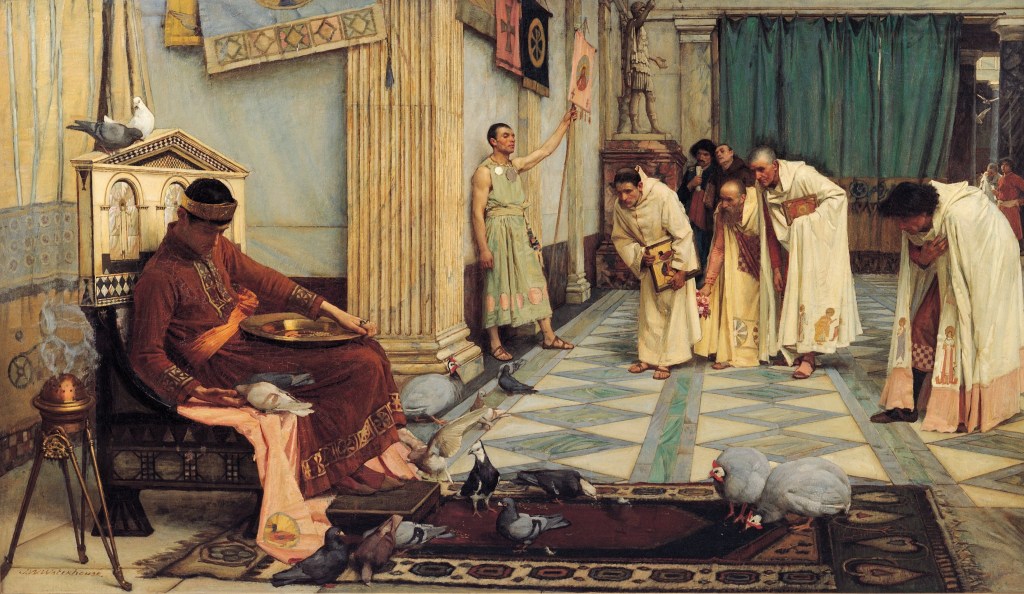
[The chicken thing comes from the 6th century Greek historian, Procopius, who wrote in his Vandalic War: “At that time [following the real fall of Rome] they say that the Emperor Honorius in Ravenna received the message from one of the eunuchs, evidently a keeper of the poultry, that Rome had perished. And he cried out and said, ‘And yet it has just eaten from my hands!’ For he had a very large cock, Rome by name; and the eunuch comprehending his words said that it was the city of Rome which had perished at the hands of Alaric, and the emperor with a sigh of relief answered quickly: ‘But I thought that my fowl Rome had perished.’ So great, they say, was the folly with which this emperor was possessed.” III.2.25-6). Yes, yes, have a few guffaws at Honorius’ large cock and move on when you’re ready…]
Anyway, we begin the story with the novel’s other major female character, the Gothic Goisvintha, who is fleeing with her only remaining child from a massacre by the Roman legions on the outpost of Aquileia toward the safety of Alaric’s advancing forces. Once with her people, she is reunited with her brother, Hermanric, a young chieftain serving under Alaric, and the child she saved from the massacre dies. Bereft of her husband and children, Goisvintha makes Hermanric swear an oath to kill the first Roman he sees when Alaric takes the city of Rome to avenge their murdered family.
Meanwhile among the Romans, Vetranio, an indolent, though Collins repeatedly assures us, not evil, young senator is scheming to leave Honorius’ court in Ravenna (side bar: Rome is still the largest city in Italy and the “spiritual seat” of the western empire, but for some time now, the emperors have generally resided in Milan or Ravenna) so that he can return to Rome to show off his new culinary creation—a sauce for serving with nightingales—and complete his seduction of a secluded young maiden he’s been wooing with forbidden music lessons, namely, Antonina. Everyone in the empire is nominally Christian at this point (paganism technically having been outlawed by Honorius’ predecessor, Theodosius), but obviously there are varying degrees of devotion, and Vetranio is decidedly in the more lackadaisical camp. Antonina, however, is being raised by her strictly devout father, Numerian, who we are told was much like Vetranio in his youth, but after his free-spirited wife abandons the family, he has a full conversion to Christ and even changes his name from Cleander to Numerian (neither explains his daughter’s name under Roman naming conventions).
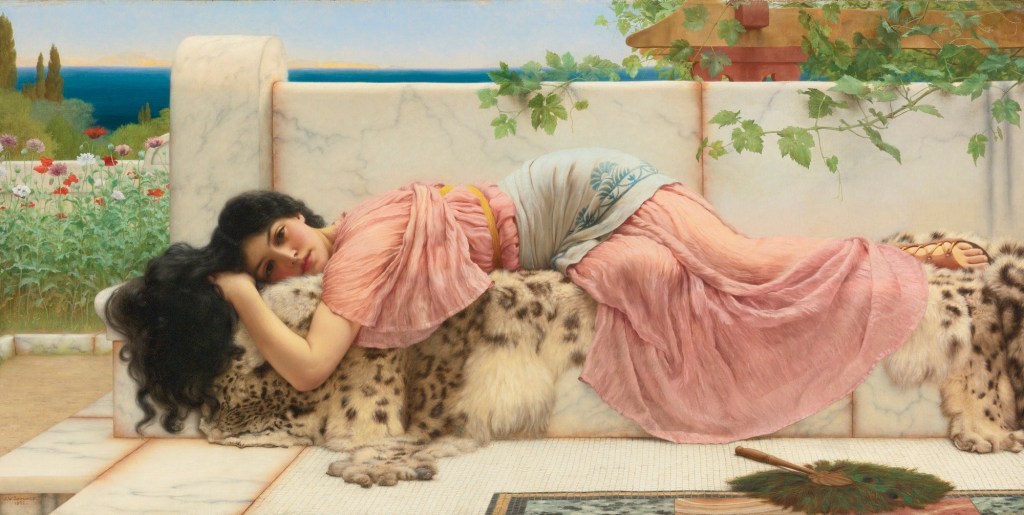
Like many converts, Numerian swings too far the other way and forbids Antonina from engaging in any “frivolities” beyond prayer and tending a garden, keeping her largely confined to his villa. Antonina obeys this unquestioningly, but her love of music (which Collins treats as a genetic inheritance from her “Spanish” mother) is awakened by overhearing Vetranio playing a lute, which the rakish senator, charmed by her beauty, offers to secretly teach her. Vetranio is aided in his seduction by Numerian’s steward, Ulpis, who was once the high priest of Serapis in Alexandria and is, unbeknownst to his master, still a devout pagan who longs for the return of the old gods and sees the ruination of Antonina as a blow against Christians like Numerian. Though when Ulpis sneaks Vetranio into the sleeping Antonina’s room, Numerian catches him in the act and assumes that Antonina is his lover and throws her out of his house before anyone can explain themselves. By the time Vetranio, who is shocked at Numerian’s overreaction, gets him to understand that his daughter is innocent of the debaucheries he accused her of, Antonina has fled without a trace and both men vow to help each other find her.
During all of this, the Goths have arrived and have camped outside the city, which is where Hermanric stumbles on the distraught and exhausted Antonina. It is love at first sight for these two pretty, kind of dumb kids, but as you’ve probably realized, this makes Antonina the first Roman Hermanric sees in the city and Goisvintha sees the girl before her brother can conceal that from her. So she hounds him about his oath until Hermanric is able to temporarily hide Antonina in an abandoned farmhouse. Because he’s noble, but as I said, not super bright, Hermanric gets caught with Antonina again by his suspicious, vengeful sister, but he is executed by Alaric’s Huns for hire for being AWOL from camp before Goisvintha can honor kill him for breaking his oath to her. Antonina escapes, mourning Hermanric, and knows she has little choice but to try to sneak back into the besieged city.
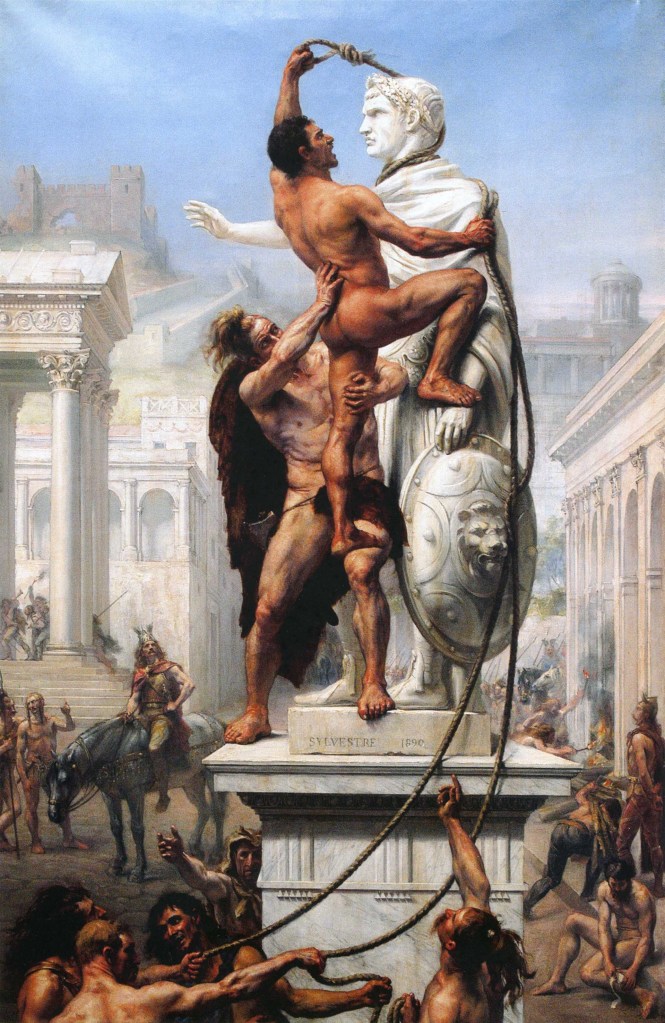
[Collins takes a very “Aryan noble savage” approach to the Goths who aren’t Goisvintha. The Huns, by contrast in their two and a half scenes, are depicted as greedy, violent, and genuinely stupid (as opposed to Hermanric’s more himbo-farm boy-level stupidity) because they are more Asiatic, and Collins has the baseline level of Victorian English racism.]
The whole plot with the Goths takes some time to resolve, so by the time Antonina returns to Rome, the city has been starving from the siege for a while now. She is reunited with her contrite father, but he is worse off than most as he’s basically been starving himself to death by grief. Rome itself has become a Dante-esque bacchanal of suffering as law and order have all but vanished, and it doesn’t look as though the imperial court means to rescue them. Vetranio decides to stage a grotesque parody of his legendary parties which he calls the Banquet of Famine, where he and his few remaining living friends will drink themselves to death, with the last man standing charged with burning down Vetranio’s mansion in hopes of having the fire spread and put the city out of its misery. Surviving the others, Vetranio moves to fulfill his vow, but is intercepted at the last minute by Antonina’s sudden arrival and her request for some of the terrible food left from the banquet as Vetranio’s penance for what he did to her earlier in the story. Vetranio, who hasn’t seen her since then, is stunned and mutely gestures to signal that she should take what she wants, and by the time she leaves, his torch has gone out, along with his plans.
Eventually, Ulpis resurfaces after failing to sell out the city to the Goths (Alaric is too noble to take Rome by treachery), but he has discovered a buried ancient pagan shrine with all its idols and promptly loses his mind thinking that the old ways will return. Without recognizing them specifically, he brings Numerian and Antonina to the shrine to be the sacrifice the gods need to fuel their return, but his plans are interrupted by Goisvintha’s clandestine arrival, as she is still hunting Antonina. Hijinks briefly ensue, where it ends up that Goisvintha is led into the sacrificial pit and the other two escape, but not before Ulpis’ unconscious ravings reveal that (unknown to him, even when he wasn’t crazy) Numerian is actually his lost younger brother. But it doesn’t really end up mattering because a mob from the city shows up and strips the pagan shrine of its valuables in an attempt to meet Alaric’s ransom demands and kills the mad Ulpis in the process.
Alaric permits the city to be ransomed, and things return to normal on the surface for Rome, but our few remaining characters are irrevocably changed. Vetranio decides to travel for a while to find himself, but not before purchasing the farm where Antonina had hid out (and where Hermanric is buried) as a gift for her and her father. He bids them both a heartfelt farewell, lingers for a moment to see if there might be a real place in Antonina’s heart for him, but when it’s clear she’ll always love Hermanric, he sadly leaves for parts unknown.
I only bothered to lay out the whole plot to you in order to basically explain that the main problem with Antonina is not the story, but its execution. The story is good—even great in parts. The Banquet of Famine (Chapter 22) in particular is nearly flawless: the atmosphere is fantastic, the pacing and escalation is engaging, and the resolution with Antonina is cinematic, by far her best scene in the entire book and probably Vetranio’s, too, as it builds precisely on everything that came before it.
But almost everything else is poorly executed or narratively squandered. Maybe “poorly executed” isn’t quite fair—what I really mean by that is that Antonina is relic of a very particular style of historical novel that was popular in the early days of the genre, but has not aged well in light of changes in the genre across time. Several of Antonina’s contemporary reviews compared the novel to Shakespeare (complimentary), whereas to a modern ear, I’d say that most of the novel is comparable to Shakespeare (derogatory). As an avowed lover of all things Bard, what could I possibly mean by such an assessment? Well, what I mean is that Collins writes this book as if he’s writing a lost Shakespeare history play, but there are things that work in a play that are just deathly in a novel. Here, I specifically mean the style of dialogue. The characters in Antonina speak almost exclusively in these long-winded soliloquies that sometimes go on almost uninterrupted for literal pages. Vetranio and Goisvintha are the worst offenders, but Ulpis gives them a run for their money, too. It’s incredibly unnatural, and kind of constantly reminds you that you are at a distance from the time and action of the story. As I touched on with Zora Neale Hurston’s Herod the Great, this is a stylistic choice, but I think it’s one you have to deploy with caution.
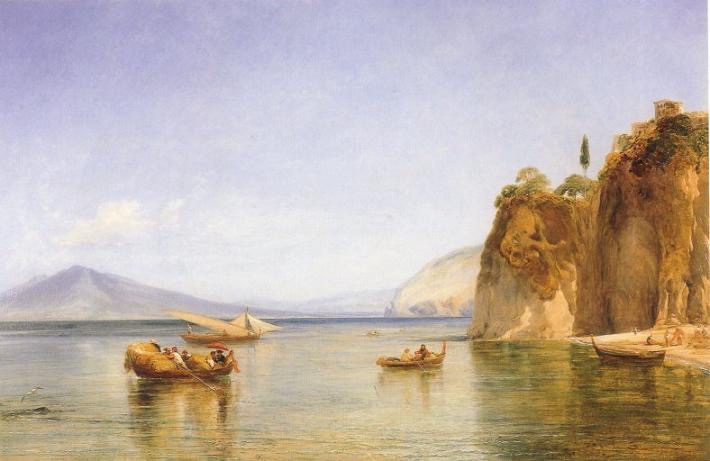
But this ties in with the other main complaint I have with the style of this novel, which is Collins is not actually all that concerned with immersing the reader in this time and place. Immersion is pretty much the hallmark of modern historical fiction, but it was less of a focus in earlier iterations of the genre, and Antonina is a prime example of this in action. Particularly in the first half of the book, there are so many chapters that open with several pages of positively gleeful asides from our omniscient third-person narrator reminding us that we’re not actually with our characters as he addresses us or our modern knowledge before getting back into the story. It just felt like I was being yanked back and forth in time; any time I felt like I was finally in a groove—bam!—back out with the narrator in 1850. People who are less sensitive to this back and forth (for the record, I’m not a huge fan of historical novels that need a framing device of someone in future/present finding a diary, etc for similar reasons) might not mind this as much, but I found it very jarring. And this isn’t even getting into the times where the narrator loftily promises we’re not going to wax philosophical on Roman topography like the Forum and Colosseum, only to wax for pages about other landmarks in the city.
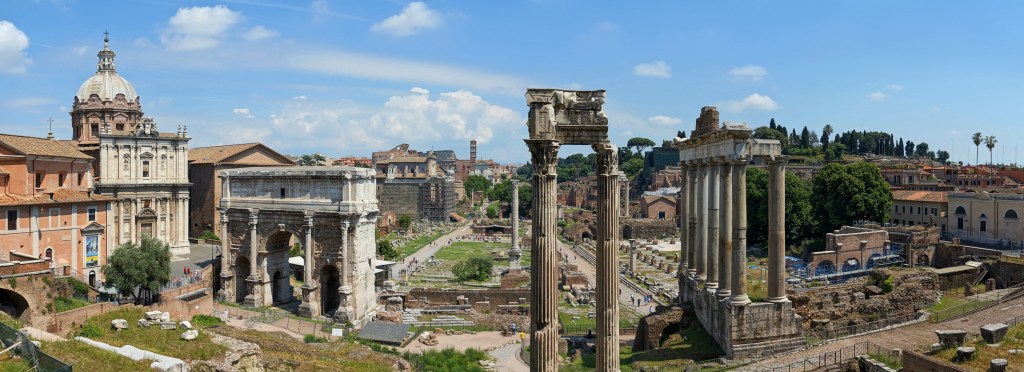
[I know Collins was trying to be cute, but as this kind of thing was usually happening during those story-breaking chapter beginnings, my patience was usually already thin…]
As for the “narrative squandering,” I mostly mean Goisvintha and Ulpis. Collins, to his credit, attempts to construct them as complex Shakespearean villains; they both have tragic backstories and genuine grievances with the status quo. Antonina begins with Goisvintha hiding with her wounded child in cave, desperately trying to survive the apocalypse of her family. Her grief and rage when this child dies, too, is sympathetic, her lack of compassion for the innocents of the people who brought this calamity on her, understandable. If she were a man in a modern blockbuster, she’d be allowed her rampage and her revenge. Her story is given to us sympathetically, but the story is not sympathetic to her. Collins doesn’t seem to have any love for her or her pain, which he seems to think unsexes her like Lady Macbeth. She is just a semi-deranged rage monster who even the other Goths treat as being crazy and unreasonable. When Hermanric wants to save Antonina because she’s soft and pretty, Goisvintha loses the last person who was even a little on her side, and she dies a gruesome death in some kind of stupid, ahistorical sacrificial machine like the one for Moloch in Salammbô.
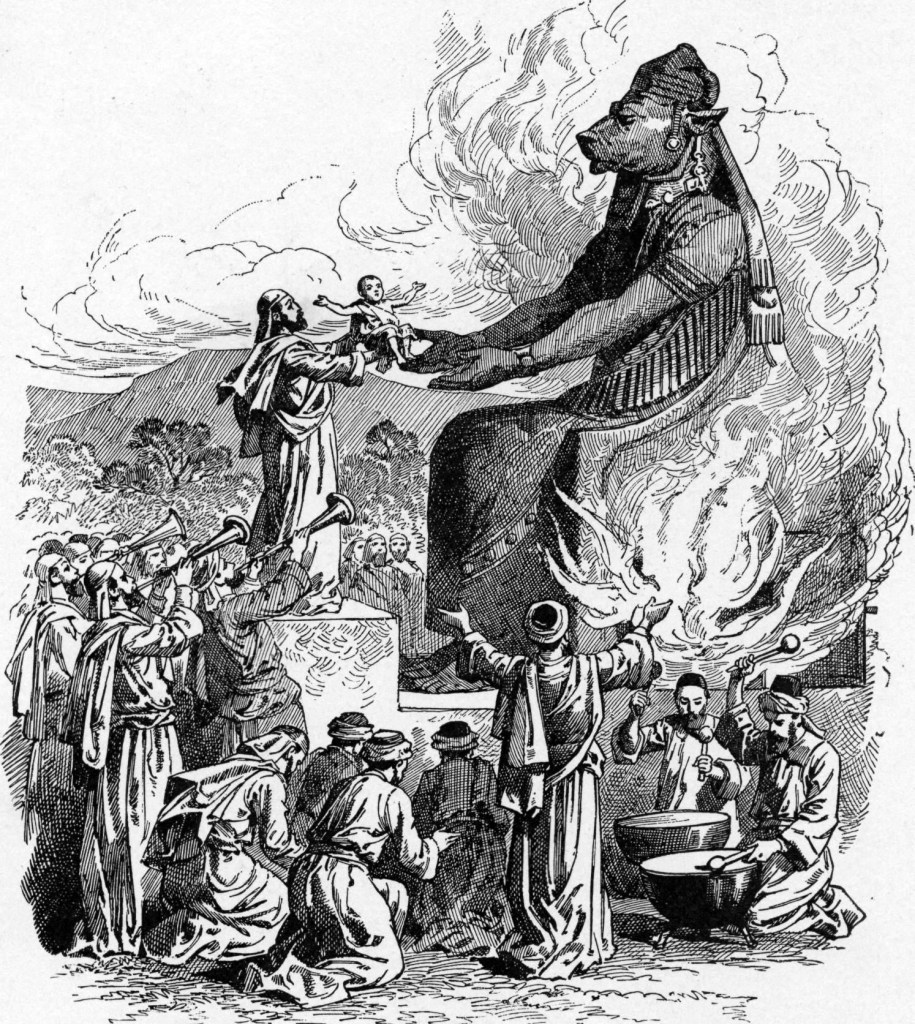
[Oh, the pagan human sacrifice contraption made me so mad in this one! We had that lurid (complementary), perfect Banquet of Famine in Chapter 22, and I thought that Collins was, narratively, finally getting his shit together, and then three chapters later—boom! Cheap melodrama about human sacrifice. So disappointing.]
My beef with the “all pagans were flinging people into death machines” bit also stems from blowing Ulpis’ story generally. Chapter 6 is basically Ulpis’ backstory, where we learn about his childhood in Alexandria and his apprenticeship/career as a priest of Serapis, the syncretic Ptolemaic god. Chosen to serve the temple as a child, not only is service to the god the only thing the young Ulpis (at this time named Emilius) had ever known, but he loved it and was a true believer. He rises to the position as high priest, but that means he must also witness the physical destruction of the temple by Christian rioters after Theodosius outlaws the pagan cults. Much like the death Goisvintha’s family, Ulpis loses everything when the temple is destroyed, including his freedom, as he is enslaved in the imperial mines for attempting to defend the god. He finally gets shot of the mines, but must (unknowingly) be his own brother’s servant even when he gets his “freedom.” His losses, his pain, are again, irrelevant, because they threaten our perfect angel, Antonina, the most innocent bystander in all of literature, whose only impurities are loving music and being too trusting.
Collins, as we said way back at the beginning, was no conservative Christian (I didn’t even get into his two concurrent, decades-long common law situationships earlier…). His goal was to paint both Alexandrian brothers, Ulpus the pagan and Numerian the Christian, as equally culpable in their blind zealotry. But he falls into the old bougie Victorian trap of being unable to resist making the pagan a little worse. Numerian is permitted latitude to change his ways; Numerian doesn’t actually lose everything dear to him. I might even have allowed that, as Collins has Ulpis not in his right mind by the time he’s personally trying to kill people, but again—the pagan human death pit just pushes it over the edge into parody. Zealous Christians need to mend their hearts and remember Christ’s teachings, but the pagans are just wrong and deserve what’s coming to them.
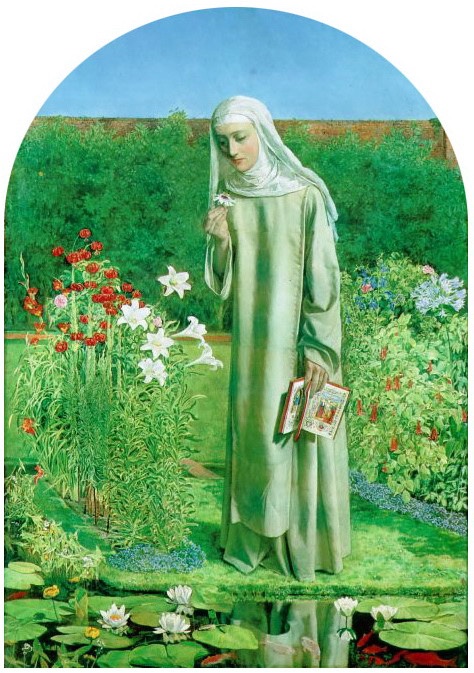
And I suppose that’s how I’d best sum up Antonina: it’s very much a novel of its time in every way. I suspect much of its contemporary appeal was its comfortable familiarity; it was published at possibly the height of the mania for Shakespeare as a written work that was read as much as it was performed, and it is structured almost exactly like a Shakespearean history play (or a novelization adaptation like the Lambs’ Tales from Shakespeare). There is a maiden heroine, a tragic (chaste) love story, some Gothic (and Gothic 😉) sensationalism in the background—it’s a solid formula for success. But I think it’s, ultimately, equally clear why this type of story didn’t suit Collins as a writer. His interest for the history was probably more a fond nostalgia for the few years he spent in Italy as a teenager, and his real passion was for the things that would continue to permeate his more famous and emblematic books: the secret identities, the wronged heroines, the feckless young men improved by love, the villain long cons.
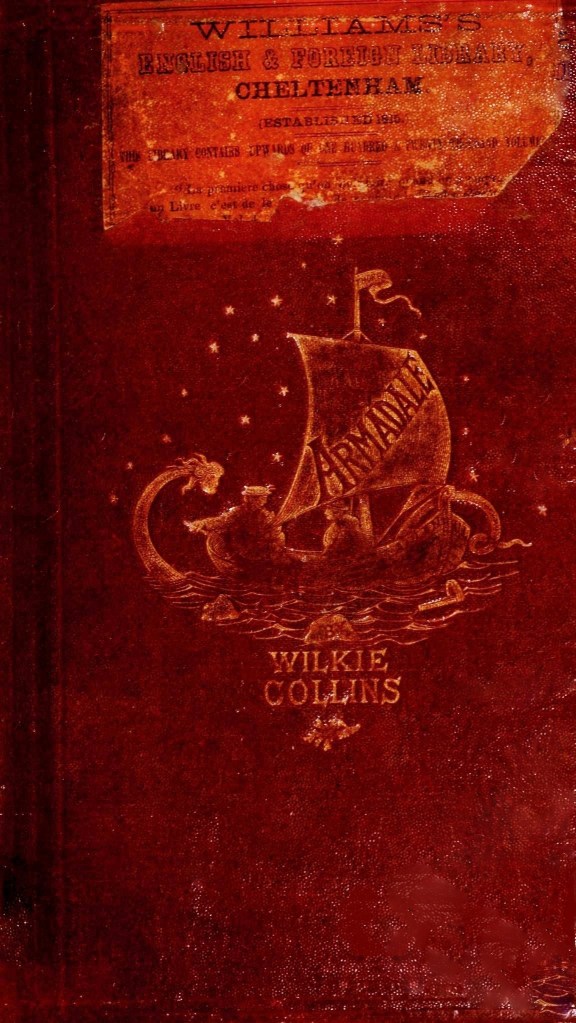
[God, Armadale even has a homemade gas-chamber-cum-death-machine, in case you thought that bit was going to be left behind in the 5th century…]


Leave a comment