
I am up to my eyeballs in pre-publication work for The Gourd and the Stars, so I’m afraid I don’t have a super substantial post for this week. But I did take a much-needed mental break trip to the Carnegie museums last week, and since there were a number of changes to exhibits and situations that I’ve touched on in previous museum entries, I thought I’d take a minute to give updates. In part, because as I’ve said in the past, I think showing museums as dynamic places demonstrates their ongoing public relevance—but also to show, in the case of my critiques and discussions of problematic issues, that I’m not running a hit blog on this stuff, either.

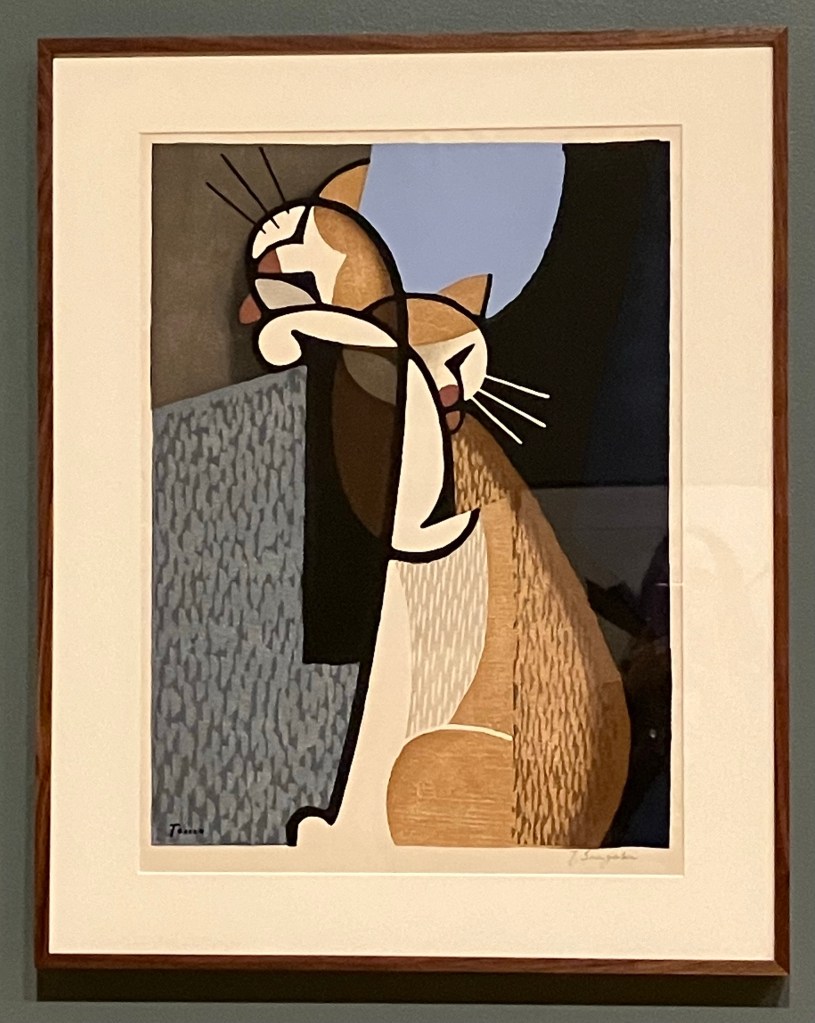
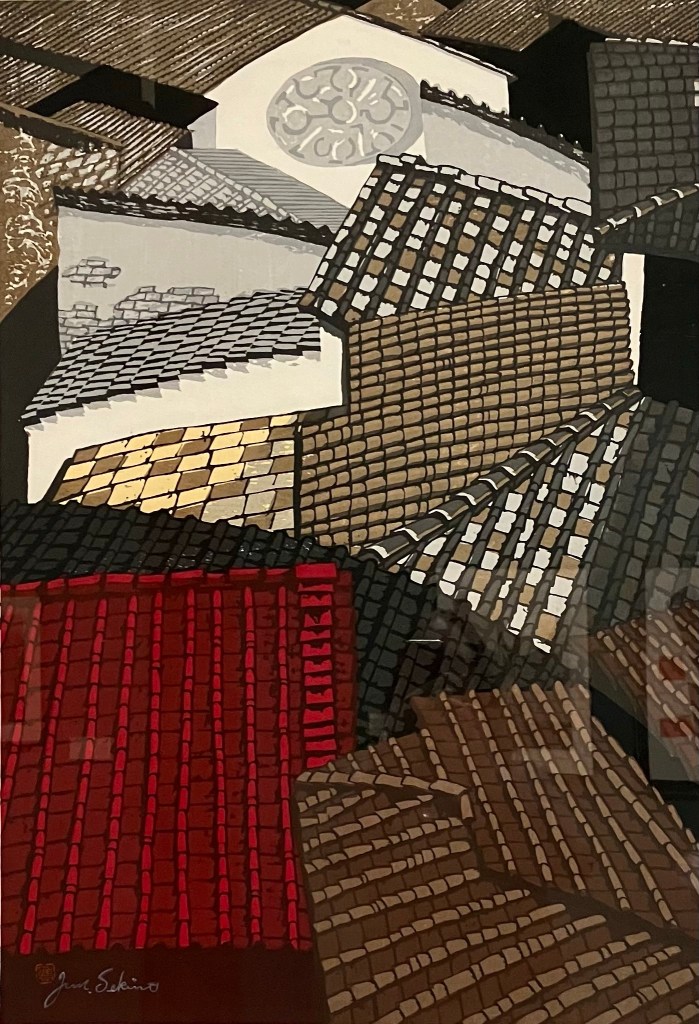
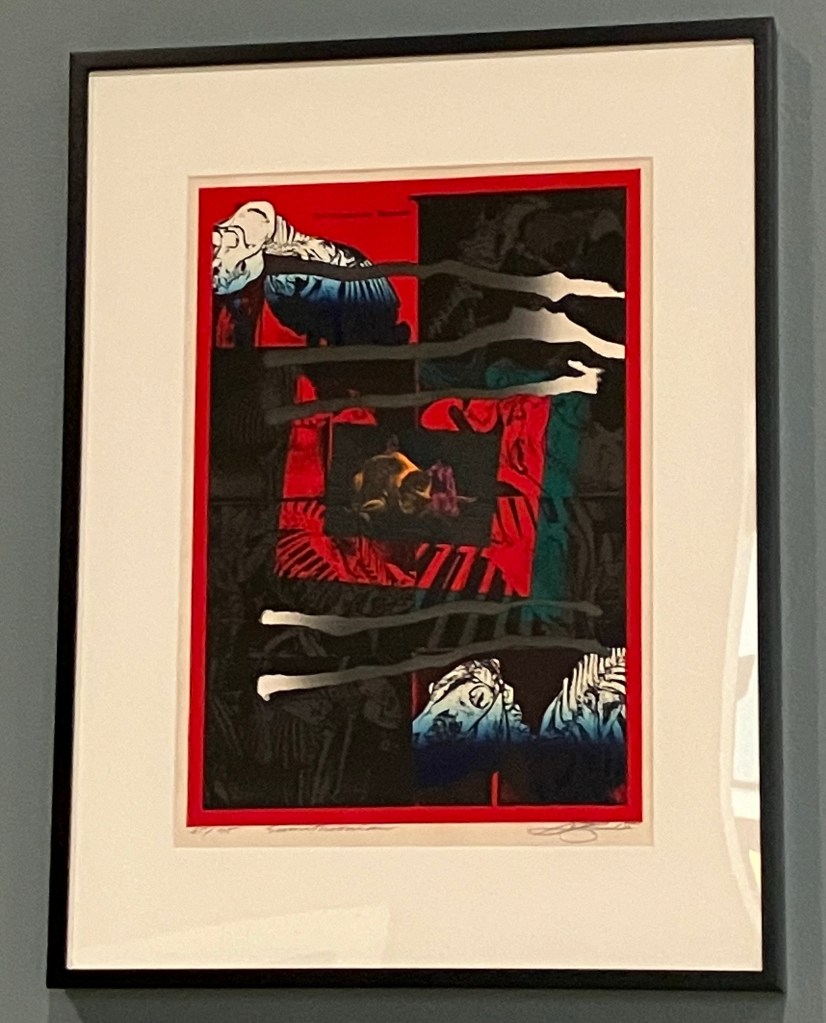
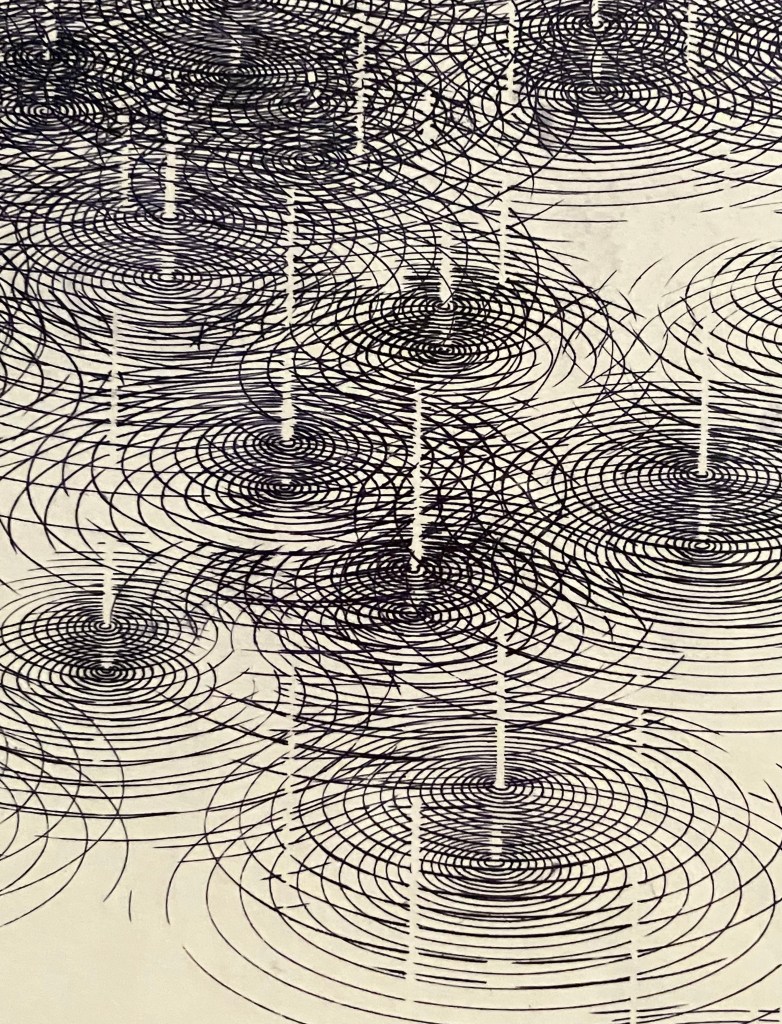
The largest change since my last visit was the arrival of the second round of shin-hanga and sōsaku-hanga prints for CMOA’s Imprinting in Their Time: Japanese Printmakers, 1912–2022 exhibition. As I had hoped, it was really interesting to see a whole new batch of prints, and to be able to recognize the styles of the various artists from the first display and compare their works on a scale usually reserved for individual art books. If you want a more thorough breakdown of this era of Japanese print art, check out my previous post, but below are just some of the new pieces that caught my eye:






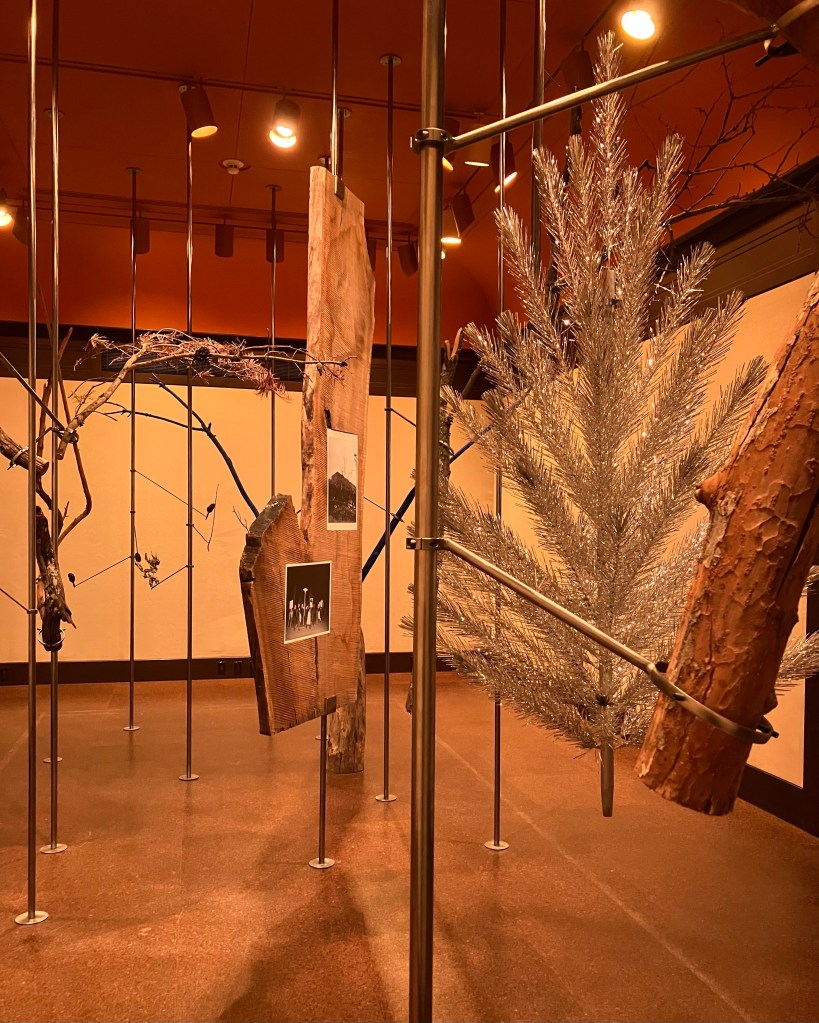
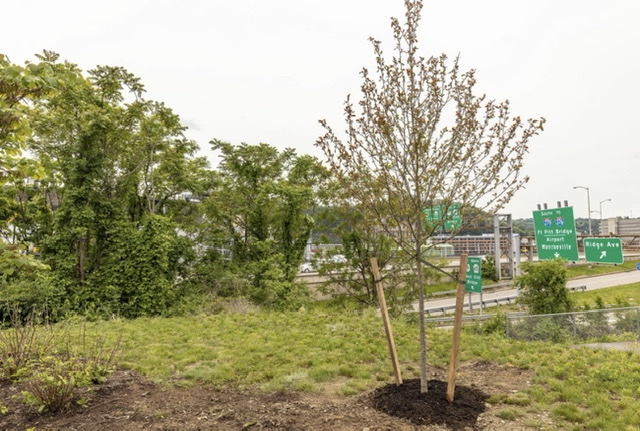
There’s new exhibition up in the Heinz Architectural Center hall—Unsettling Matter, Gaining Ground—that brings together new art installations and archived pieces from the museum’s collections to explore the impact of the fossil fuel industry in global communities, but with a particular focus on the coal and fracking industries in Western Pennsylvania. The whole exhibition is very thoughtful, but I bring it up to highlight the inclusion of 58th Carnegie International entry A tree; a corporation; a person (DA #01, Black gum tree, Pittsburgh, PA) in a larger piece, Offsetted (2019-ongoing), by the London artistic co-op, Cooking Sections. To paraphrase the installation description, this iteration of Offsetted was designed specifically for Pittsburgh and features logs, branches, seeds, and leaves, to show different moments of coexistence and fraught exchanges through fifteen stories of individual trees from the greater Pittsburgh area. These stories are meant to both highlight the increasing designation of trees as part of the financialization of the environment (as of 2023, the roughly 40,000 street trees of Pittsburgh can be quantified as providing at least 4.5 million dollars in what is called “environmental services” to the city), as well as refocus them as objects of beauty and purpose outside of human needs. The co-op states, “Offsetted proposes ways to acknowledge the rights of trees not to serve as carbon offsets, allowing them to just be trees.” A branch of the living, self-governing Black gum tree that makes up A tree; a corporation; a person is one of the fifteen featured tree stories in this installation.
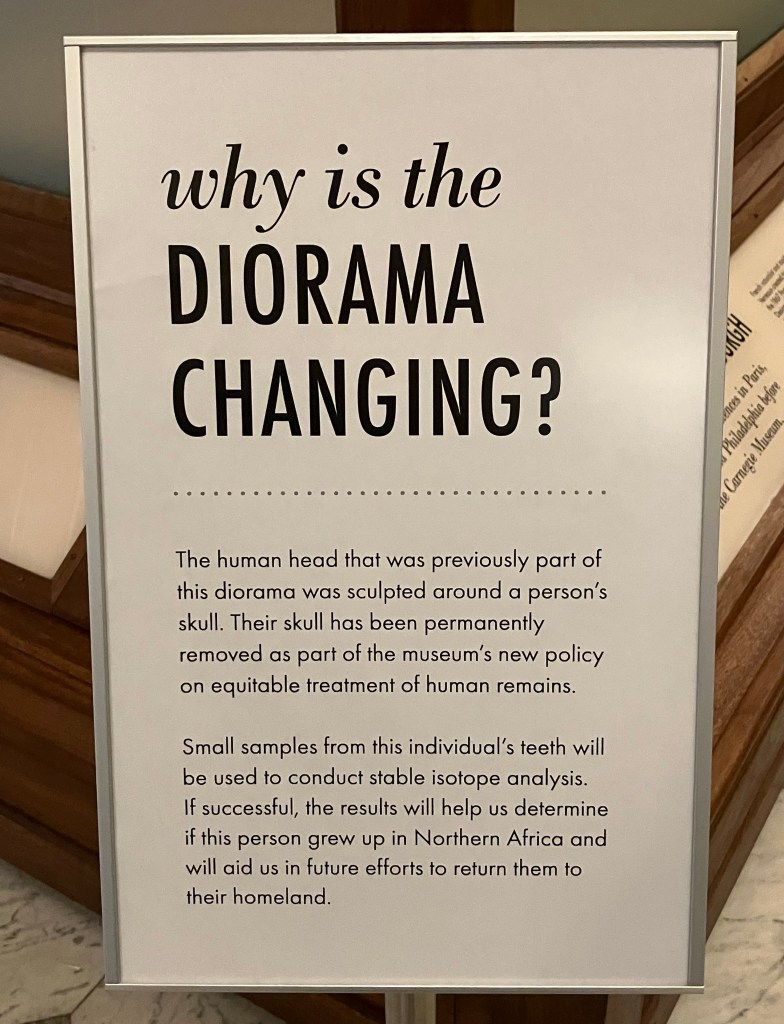
There’s also been a new development in the ongoing ethical drama surrounding CMNH’s Victorian diorama, Lion Attacking a Dromedary. When we last left LAAD, the diorama was being shown with the side glass panels of its display case frosted over and printed with explanatory context information. Well, as the signage above indicates, the human skull used by sculptor Édouard Verreaux for the Berber courier in the piece has been permanently removed, and it appears that it may actually be repatriated if enough genealogical information can be gleaned from it—which is great news. But, as the diorama presumably now features a headless man being attacked by lions, all of the display case’s glass panes have been frosted over, but all of the context discussions have been left intact. Personally, I think it is a good choice to continue to “display” this piece during its many transition phases as an educational tool for museum-goers. By continuing to do the harder and potentially more embarrassing work of grappling with this situation almost entirely in the public eye, it’s given the museum’s decisions more transparency, and has brought the community into the discussion both as observers and participants. CMNH curators and administrators deserve kudos for how they’ve handled this.

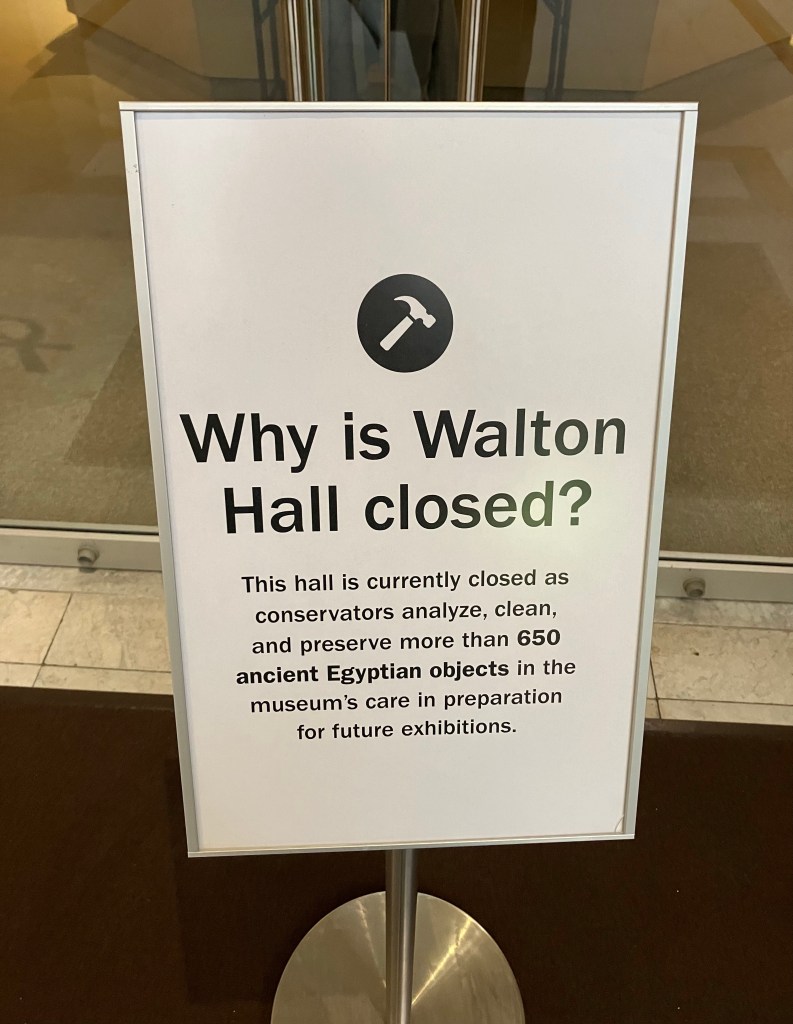
As LAAD’s signage alluded to, and as we’ve discussed previously, CMNH is in an ongoing transition away from displaying human remains throughout its collection. This mainly concerns the Walton Hall of Ancient Egypt’s mummies, and after a couple of years of announcements and discussions, I’m actually happy to report that the entire hall is currently closed for both its massive proposed renovations and the permanent removal of its three human mummies. I know it sounds weird to be excited about seeing less in this exhibit, but the whole hall is so outdated that a refresh can only improve the museum-going experience. The last time I was at the museum in July, you could still walk around about half the room, while the other half was already cordoned off for researcher workspace. But similarly to that, one can still stop by and potentially watch the conservation team work through the glass doors (much like you’ve always been able to do down in the dinosaur wing), which is a nice way to continue to include the public while things are closed down. As I think I’ve mentioned before, I was invited (at a very low level) to participate in discussions about the future direction of the Hall of Ancient Egypt a few years back, and I think what we’ll see when it reopens is a recontextualization of the museum’s artifacts around the ecology of the Nile, with Senwosret III’s funerary barque as the centerpiece. I’m excited to see the finished result.


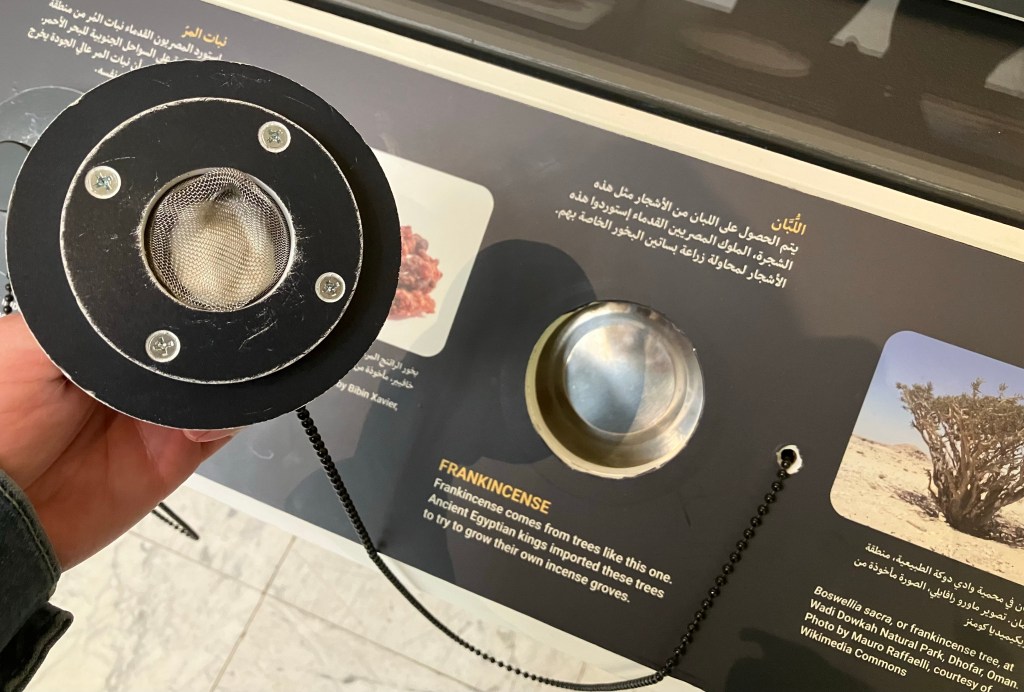
Likely to compensate everybody for not being able to go through Walton Hall for the foreseeable future, the Egyptology staff also revealed that the little display kiosk I mentioned in the Japanese printmaking post was part of a rotating series. I know that I was pretty dismissive of the first one featuring various Amarna fragments, but I’m pleased to say that I think this second display is much better. The new display focuses on scents and the role of incense in both ancient Egypt and modern Coptic culture. Instead of disappointing plastic replicas of pottery shards, this time we have little scent stations that let you smell myrrh, frankincense, and a blended incense used by the modern Coptic Church. That’s a brilliant idea, even if I had to get a big ol’ whiff of frankincense again.
And that’s about it for the updates and changes, but I thought it was fun to see how many of them involved exhibits and items we’ve talked about before. I’ll keep you posted on what’s going on with the Hall of Ancient Egypt as its renovations take shape, and maybe if I get my act together, I’ll get over to the Science Center and give you all the rundown on the traveling Titanic exhibition they’re currently hosting. Until then, I hope you have equally rewarding museum experiences in your future. Stay engaged with them!


Leave a Reply