I’ve been a bit quiet on the writing front since Daughter of Scorpions came out last year—so quiet that some of you might have thought maybe I was taking a year off book-wise. (Un)fortunately for all of you, that is not the case, and I am eyeballs deep on my copyedit review of my next novel!
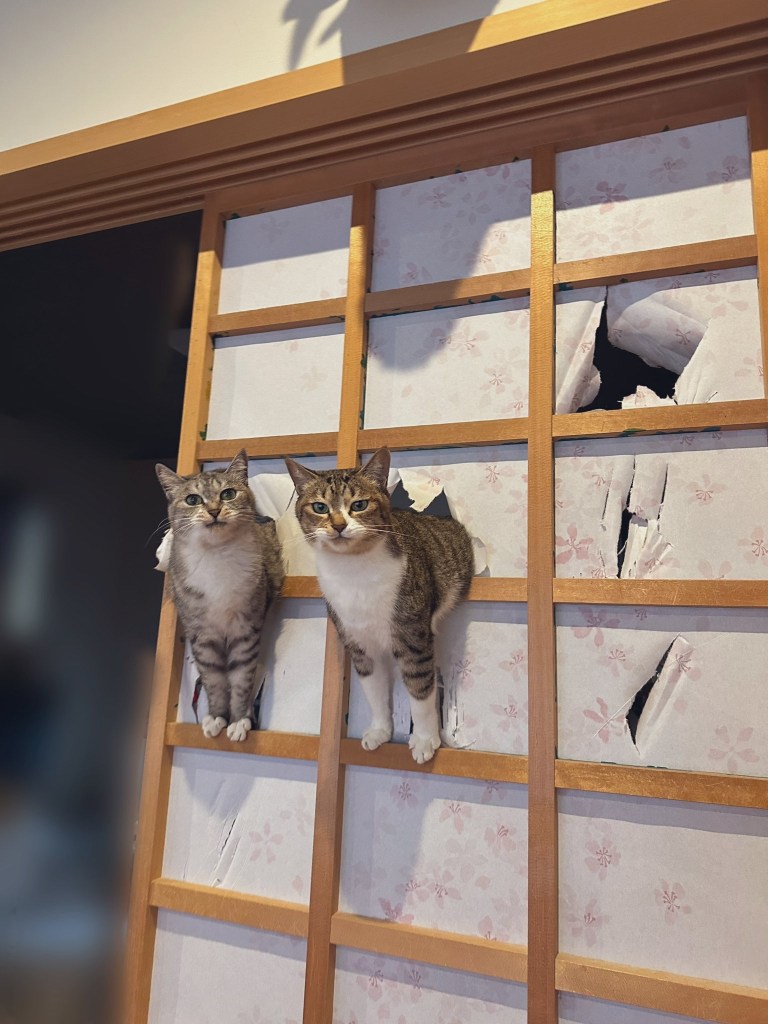
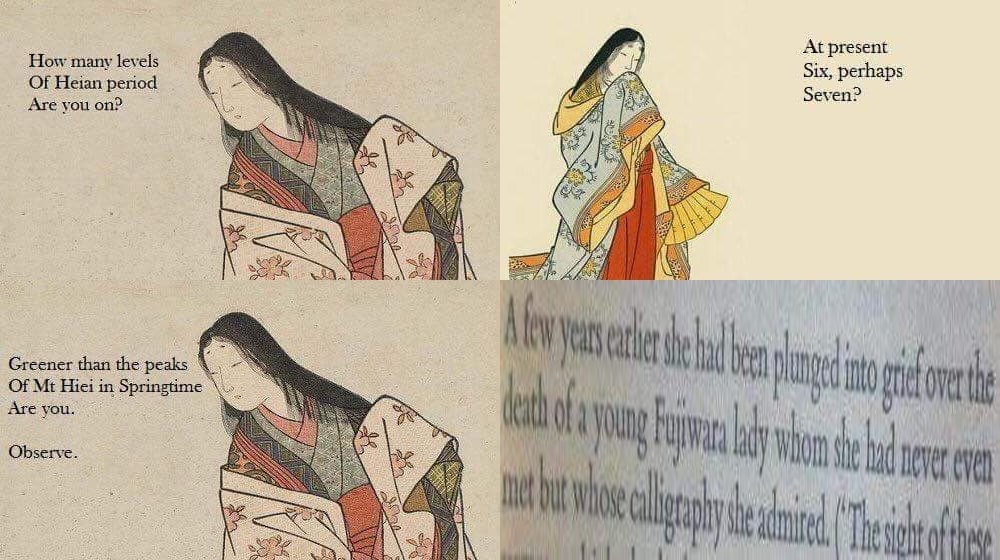
As you might have extrapolated from my banner picture, we are heading farther afield than ever before, as Lady Safflower is a historical fantasy set in medieval Japan. Was I market savvy, and did I write a book set in current zeitgeist Shōgun-era medieval Japan? Oh, y’all know me—of course not! No, I did what I have wanted to do for years, and wrote a story set in the earlier Heian period (c. 794–1185 CE); you know, Murasaki Shikibu and Sei Shōnagon’s era of The Tale of Genji, poetry competitions, and catty arguments about aesthetics.
[I feel like I might be losing some of you… hang in there…]
While less overtly exciting than the later periods with pitched samurai battles and ninja assassins, the Heian (which means peace) is less tranquil than its refined, placid surface implies. Just as Murasaki Shikibu’s Genji shows the treachery and deceptions that lie below, I wanted to show a world not only full of standard courtly intrigue, but one teetering on the edge of the more violent shōgun world to come. A world of growing tensions, where the supernatural lurks at the fringes of a slowly passing era.
The world of Genji, and his author, is the zenith of the Heian’s literary court culture (late 10th/early 11th century), whereas my story takes place in the long decline in the 12th century that will ultimately lead to the rise of the shōguns. Only a few generations removed from that elegant time, my characters are living as if things are still the same, but, like us living in an arguably decaying time as well, the cracks are already starting to show.
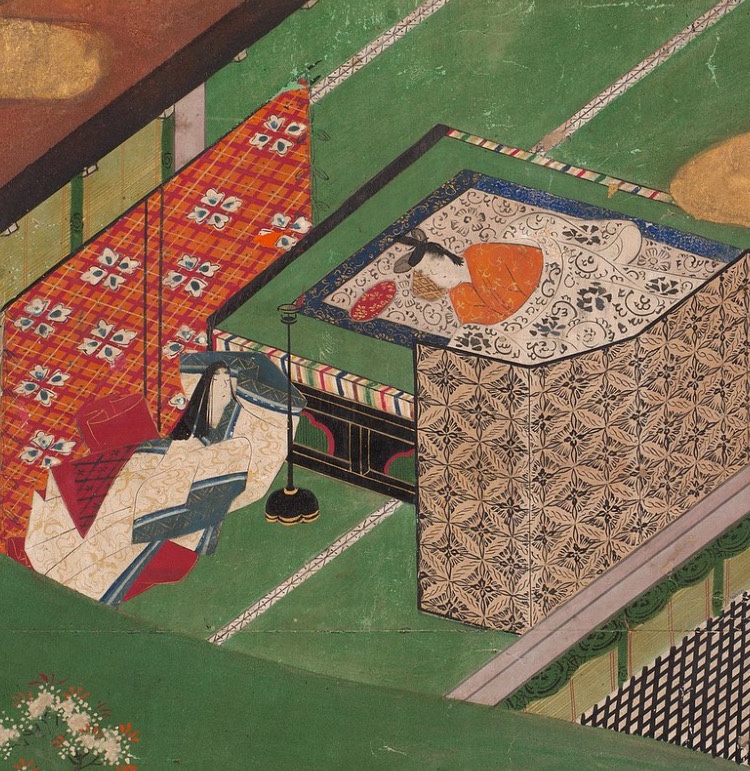
My story centers around a historical person, Fujiwara no Nagako (Lady Sanuki), a mid-rank noblewoman serving in the imperial households of the emperors Horikawa (1079-1108) and Toba (1103-1156). We know of her because, like more famous diarists such as Sei Shōnagon of The Pillow Book, she also left behind a diary (nikki)—one of the last we have from the Heian period. Unlike Sei’s delightful burn book of lists, Nagako’s diary, the Sanuki no suke nikki (called The Emperor Horikawa Diary in its major English translation), is basically a grief journal commemorating the otherwise obscure Emperor Horikawa, whom Nagako served as a lady-in-waiting, but who was also her breast-sibling (they were both nursed by Nagako’s sister). I came to the diary during my years of frantically searching for increasingly obscure Heian nikkis in English, and while generally held as inferior in quality to the more famous diaries, its story really stuck with me. The text of the Sanuki no suke nikki is poignant, not just because it is a record of its author’s grief, but because it shows a very universally human portrait of people whose time and culture are often held as alien by later Japanese people, let alone us in the west.
Horikawa’s reign was brief and largely dominated by his aggressive father, the retired emperor Shirakawa (1053-1129), inventor of the “cloister government” (insei) of the late Heian, where the imperial court was increasingly dominated, not by the reigning emperor or the powerful Fujiwara aristocrats of Murasaki’s time, but by an earlier, ostensibly retired emperor who had taken monastic vows, but was the real power behind the throne. A footnote in the annals of imperial history, Nagako’s diary returns a fully human Horikawa to us: gentle and noble as you’d expect, but also a man capable of silly tantrums and surprising humor. Nagako’s book is not just the record of an employer, but of a friend, and that felt like something worth commemorating. Usually when an emperor died, his household returned to private life, but—again unusually—this doesn’t apply to Nagako. What parts of the Sanuki no suke nikki aren’t devoted to her memories of Horikawa are a record of her first year serving (at Shirakawa’s request) the household of the new emperor, Toba—Horikawa’s four-year-old son. Her affection for the child emperor is obvious, but returning to a palace haunted by her memories of her dead friend pervade the rest of the text, and her struggles to move forward with her life are another very humanizing aspect of her writing.
But as much as Nagako’s writing intrigued me, what really opened up her story to me as a novelist was the snippet of her later life that we know of from outside her diary. And that is that in 1119, after serving Toba faithfully for nearly twelve years, Nagako was accused of demonic spirit possession and exiled from court by Shirakawa, where she vanished from the historical record. Spirit possession was a known and common thing in Heian culture (think of the Rokujō Lady and Aoi in Genji), and it could be used by otherwise voiceless women to express their opinions or desires. But for a woman of Nagako’s rank to be accused of it would have been social suicide in a society where a woman’s discretion and propriety were paramount. And what Nagako supposedly said in her possession—that she could communicate with the dead Horikawa—was potentially politically destabilizing for Toba (but more read: Shirakawa). But the obvious question for me, the novelist in the future, was: okay, but in a world where spirit possession was treated as real, what if she could speak to Horikawa? And what might a woman who had devoted her life to him and his son know or do that might be a threat to the real emperor, the shadowy Shirakawa? Just because the supernatural might be covering for the mundanely political doesn’t mean that either is off the table. And a woman like Nagako might be willing to risk everything to find out.
Because that’s the other thing about the Sanuki no suke nikki: the only person who comes out of it more fully human than Horikawa is Nagako herself. She is, by her own self-portrait, almost everything a good Heian woman and courtier shouldn’t be: prickly, blunt, and terribly at odds with herself. Unlike the wonderfully bitchy Sei Shōnagon, Nagako doesn’t make up for these faults with elegance or verve, either. She’s just a regular woman thrust into a position that wants her to be an objet d’art, and she can clearly only be herself. But just as Horikawa, and later, Toba, so obviously love her in spite (maybe because?) of this, she is a lively, unusual heroine for an era where most female protagonists simply compete to be even more beautiful than the ones before them. And that’s why I have other characters compare her to Suetsumuhana, the Safflower Lady from Genji, famous for plain looks and awkwardness.
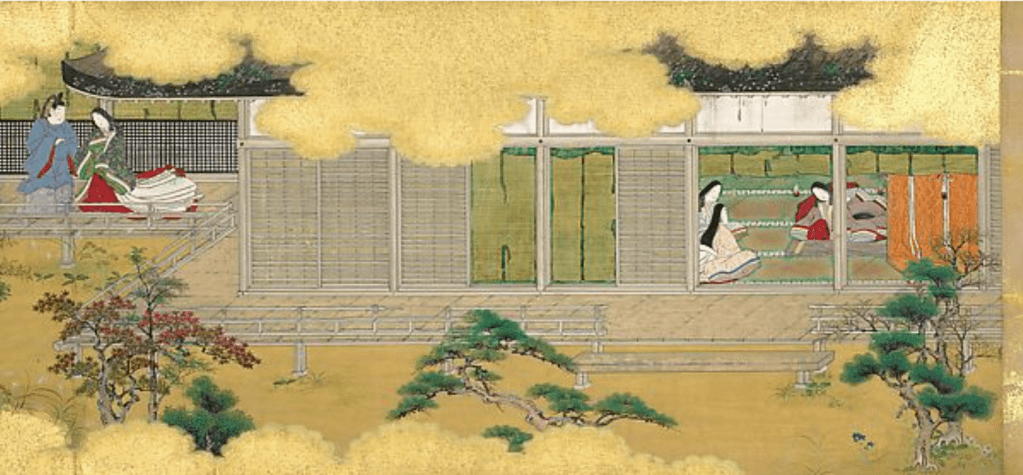
So, that’s where Lady Safflower picks up Nagako’s story: she’s confined to her brother’s house in the provinces after being kicked out of court for being possessed. But Shirakawa is afraid that she might still be a threat to him, and it is almost impossible for him to just straight up execute a noblewoman for treason. So he finds a young, inexperienced monk to exorcise her—though with the implication that when the monk inevitably fails, he can get rid of both of them while looking like he tried to help Nagako. The monk, my OC, Jūrō, is our fish out of water co-protagonist, who must both unravel Nagako’s history with Horikawa and Toba to understand how she got to where she is, and contend with the fact that the dead Horikawa is actually speaking with her—and they all must stop Shirakawa from an outright coup on his own grandson. Like Nagako, Jūrō doesn’t think very much of himself, but he’ll have to find his inner hero if he has a chance of saving her or himself from plots both worldly and supernatural.
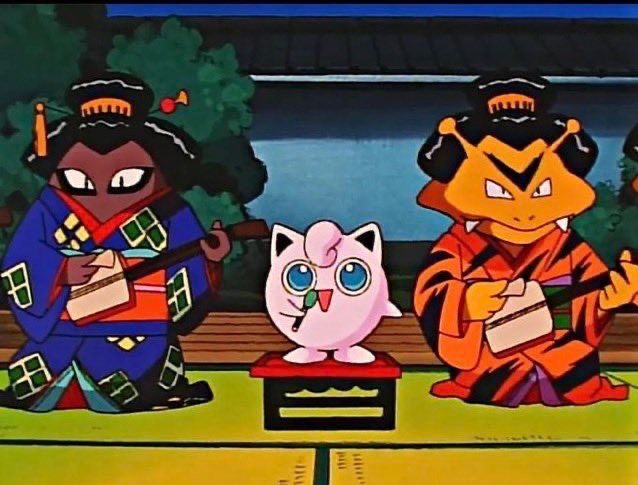
But Horikawa isn’t the only otherworldly character in this story. Rounding out Nagako’s side are two yōkai (lesser spirits, as opposed to gods): a hitotsume-kozō, a one-eyed goblin, and Jigoku Dayū, the fearsome Hell Courtesan. But Shirakawa might be dabbling in the occult as well, and our gang is facing not only him, but one of East Asia’s most powerful yōkai: a legendary fox maiden (kitsune) who has toppled empires across the centuries and now has Toba in her her sights. Political intrigue and magic hijinks ensue.
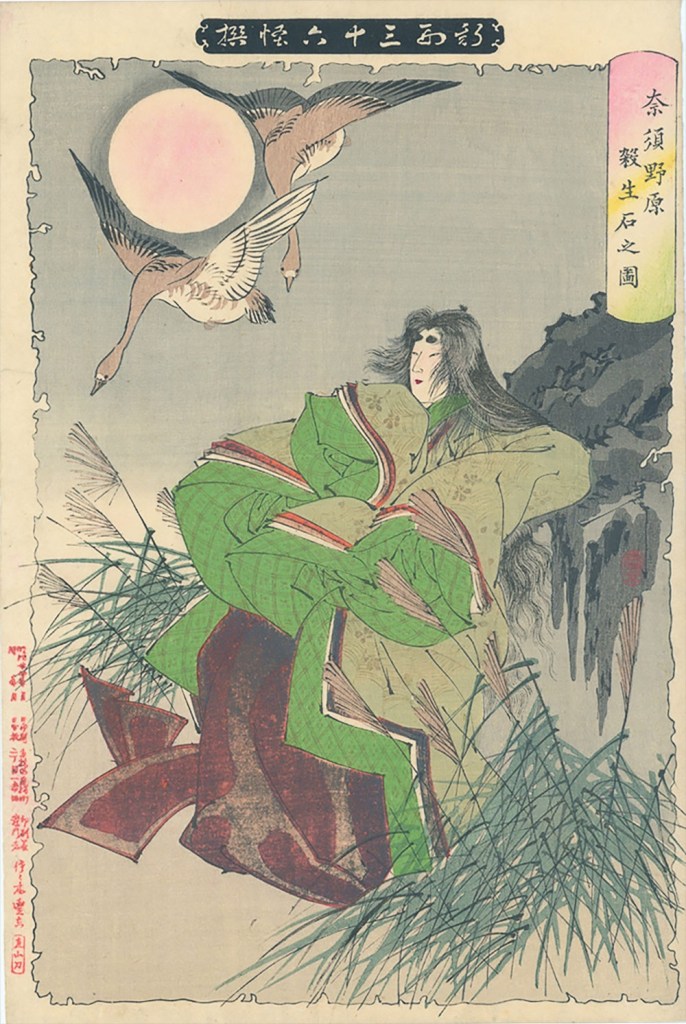
As I said, I’m more than halfway through my editor’s copyedit, so we’re bopping right along on the technical nuts and bolts. And, unlike last year, the cover is ready to go (see below for a sneak peek at the amazing design Yana has cooked up for me!), so most of the release onus is in my hands. I’m currently aiming for a June/July release date, but stay tuned in the next couple of months for updates as we get closer. And don’t worry if you’re head is spinning on the setting details for this one—I know this is a less well known time and place for most non-Japanese folks, so I’m sure that I’ll be doing a ton of posts on all things Heian over the summer. Get ready to learn some knowledge!👹
 Sarah Holz
Leave a comment